Sale Up To 20% OFF
MR. GEORGE NKOSINATHI TWALA
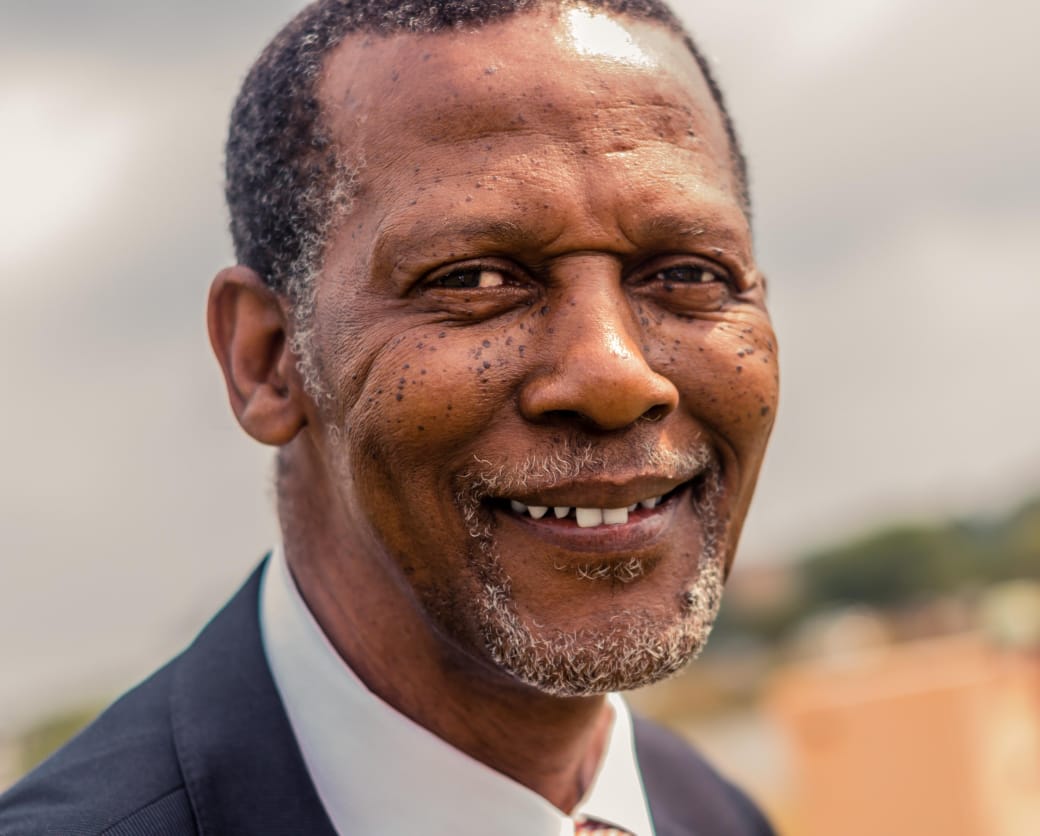
As a young activist in the turbulent 1970s in apartheid South Africa, his life was ordained in struggle. When the government enforced Afrikaans as the language of instruction in secondary schools – the harbinger of the June 16 Uprising. Nkosinati G. Twala stood with his fellow students in defiance. A year later, his activism led to his arrest, and he endured thirteen months in solitary confinement before being charged with sedition alongside ten other student leaders.
Upon his release, the regime hounded him, forcing him into exile, where he continued with his activism. Abroad, he raised international awareness about the struggles of South Africans under apartheid, where he gained a deeper understanding of global politics and diplomacy.
After receiving indemnification, he returned to a changing South Africa in 1992. He became an academic book publisher, a mediator in regional conflicts, and later, an ambassador—first to Rwanda, then to Zambia. As a diplomat, he championed pan-Africanism, economic growth, and international cooperation.
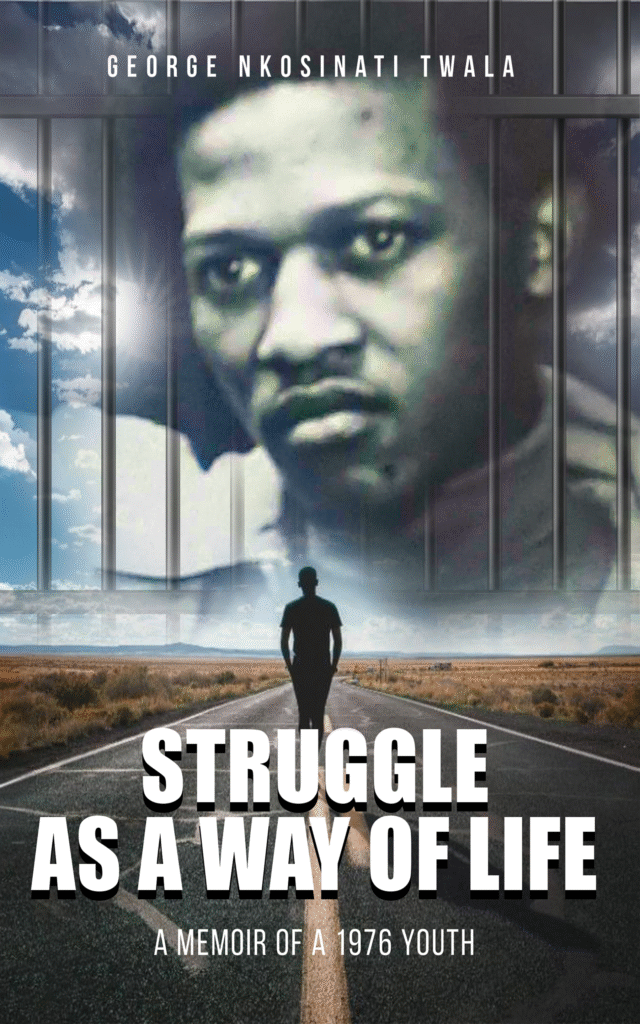
STRUGGLE AS A WAY OF LIFE SYNOPSIS
The raw, gripping memoir “Struggle As a Way of Life” delves into the unsung struggles of South Africa’s liberation heroes, portraying a life shaped by both unrelenting resistance and the harsh reality of survival. From the opening chapters, the author takes us through a childhood under apartheid, where freedom was a distant dream and survival was a daily fight. The journey is shared with comrades, who, like shadows, both guide and haunt them as they face the brutality of prisons and exile, leaving their mark on every step.
The story takes a powerful turn as the narrative delves into the psychological scars carried long after the battle’s end. Forgiveness, the ultimate form of liberation, is explored as the author questions whether true freedom can be attained while still carrying the weight of past wounds. Through a journey of self-exorcism, we discover the painful cost of internal battles and the haunting nightmares that accompany them.
The book is not just an exploration of personal survival but also a call to decisive and responsible actions for the next generation. As the narrative closes, the author challenges us to face our own truths and continue the fight for a better tomorrow—because, through our children, the dreams of a brighter future may yet come true.
Every chapter stirs, provokes, and demands reflection: a life forged by the flames of struggle, yet still burning with the hope of redemption.